What We Do
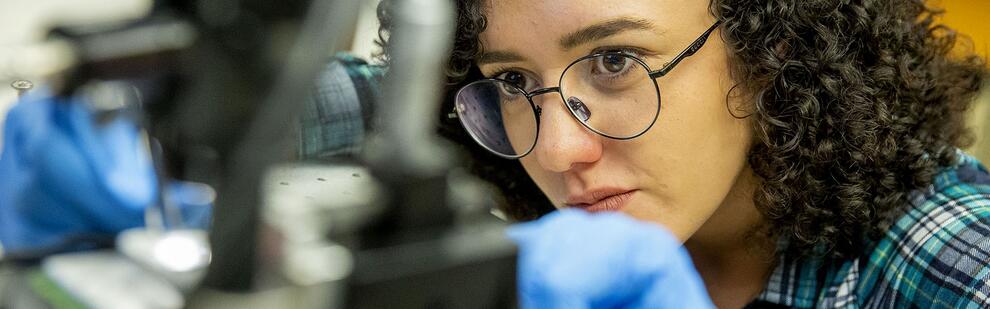
The Department of Physics and Astronomy equips students from all backgrounds with foundational physics and astronomy knowledge and hands-on training in experimental, observational, theoretical, computational and data analysis techniques for fundamental research and industrial and real-world applications. We mentor students to embrace an empirical scientific framework to expand the boundaries of knowledge through novel research and ultimately create diverse STEM leaders, teachers and policy-makers ready to tackle the most challenging problems facing society locally and globally.
The pursuit of science is a human endeavor, and our department welcomes the full spectrum of humanity to contribute their perspectives, passions and skills to scientific exploration.
Our Programs
-
Astronomy and Astrophysics, M.S.
- Master’s Degree
-
- Major
- Minor
-
- Major
- Accelerated Master's
-
- Master’s Degree
-
Physics: Concentration in Astronomy
- Major
- Minor
-
Physics: Concentration in Astrophysics
- Major
- Accelerated Master's
-
Physics: Concentration in Physics for Teaching
- Major
Science is a verb – do it!
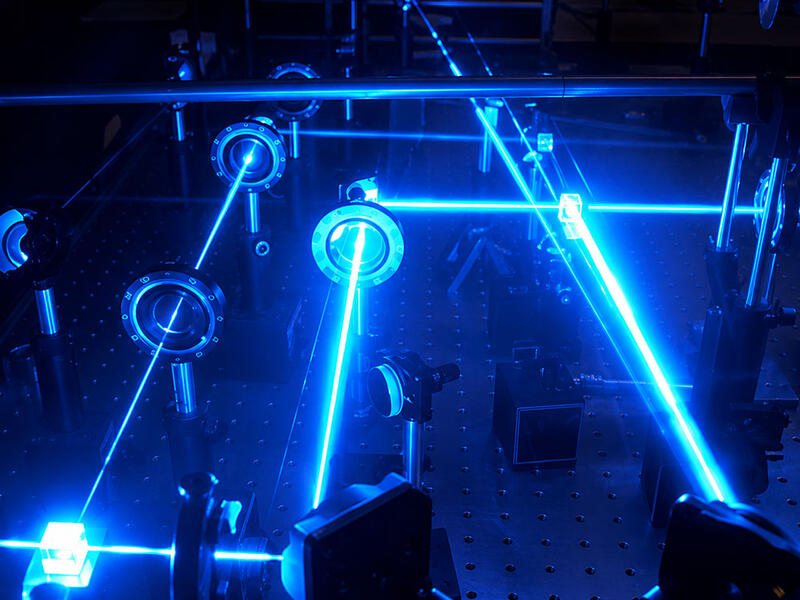
Undergraduate and graduate students work with faculty to lead research in astronomy and astrophysics, experimental optics and nanophysics, theoretical high-energy physics and physics and astronomy education.

Prepare for Introductory Physics
PHYS 111 and 220 are entry courses for our introductory physics sequences. Set yourself up for success by completing the prerequisites.
Planetarium and Observatory
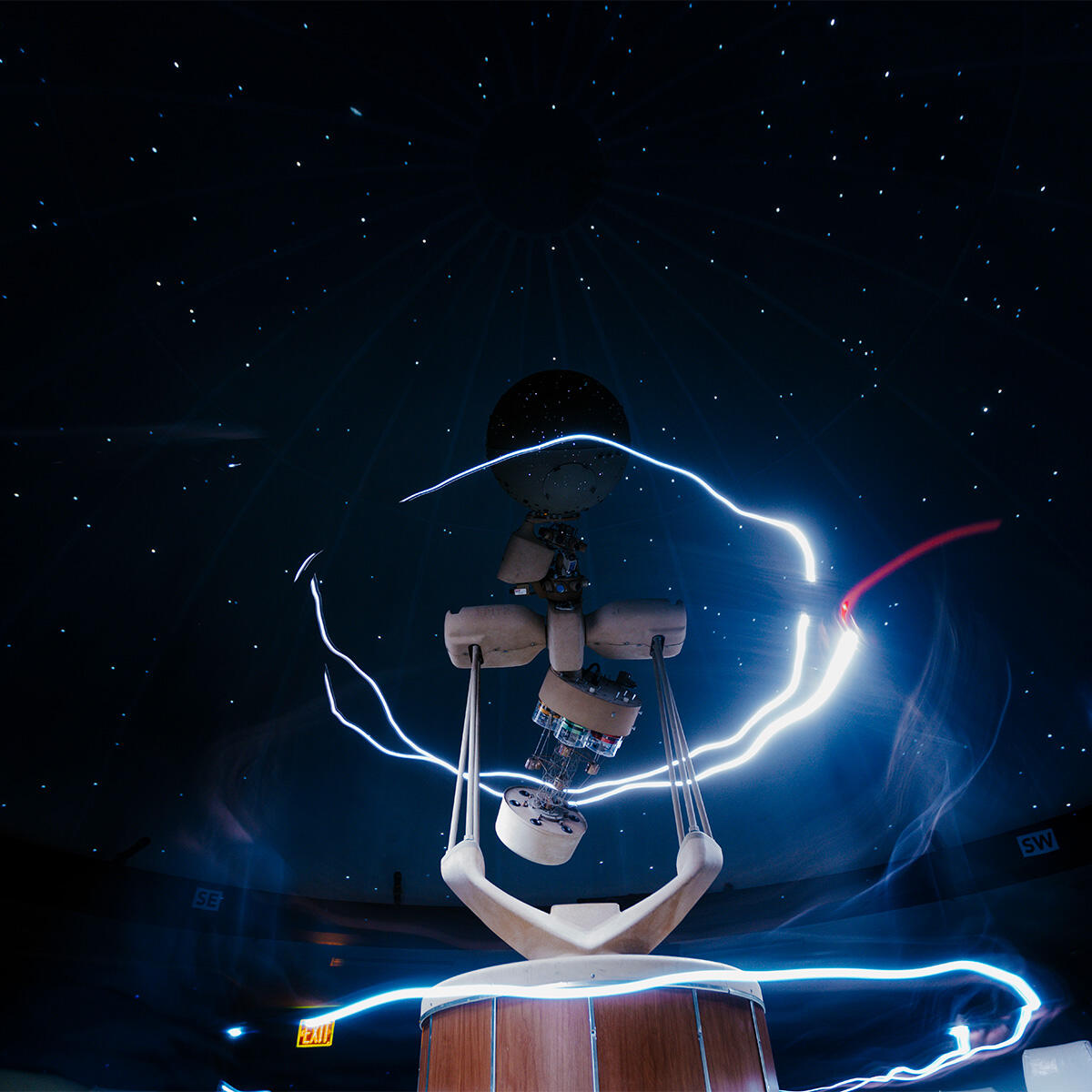
View the stars and planets during our open public events at our Charles F. Hagar Planetarium and Thornton Rooftop Observatory.
See the stars