The First Department of Its Kind
Welcome to the Department of Latina/Latino Studies at San Francisco State University. When you take classes in this department, you are enrolling in history by participating in a long and powerful legacy of students committed to education and social justice.
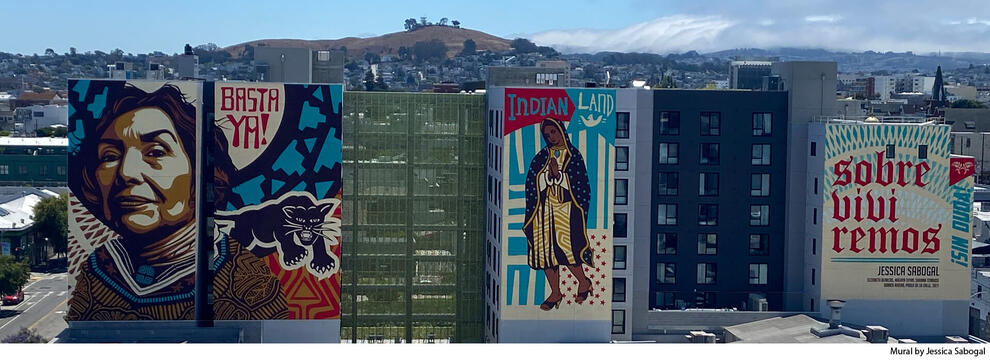
The Latina/Latino Studies Department is grounded in an anti-colonial perspective. We take into account the annexation of what is today considered the Southwest, the racialization of Latinas/os/x and the ongoing imperial expansionism that has resulted in Latin American and Caribbean migration to the United States.
The Department recognizes the historical resistance of Latinas/os/x and affirms ongoing struggles of self-determination that account for gender, sexuality, race, class, and the actual or perceived citizenship or immigration status of our students, their family members and other members of our Latina/o/x community.
The LTNS Seed: Planted in 1969
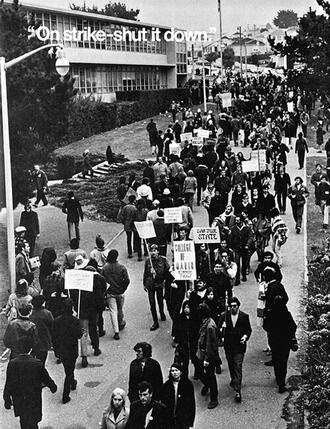
The Latina/Latino Studies Department (originally Raza Studies) was established in the Fall of 1969, as part of the College of Ethnic Studies, after the longest student strike in the history of the United States. From November 1968 through April 1969, the Black Student Union, the Third World Liberation Front, select staff and faculty, and members from the larger Bay Area community organized and led a series of actions against systematic discrimination.
The mural on this page includes a portrait of visual artist Yolanda Lopez. As a young Chicana, Yolanda joined the picket lines to expose racism on campus and demand student of color enrollment as well as a curriculum that reflected the rising liberation movements across the globe. The College of Ethnic Studies was established as a response to the demands of students and community members who called for the creation of academic programs that address the experiences and histories of under-served communities in the San Francisco Bay Area.
Our Programs
-
- Major
- Accelerated Master's
- Minor
How Latina/Latino Studies Impacts Students
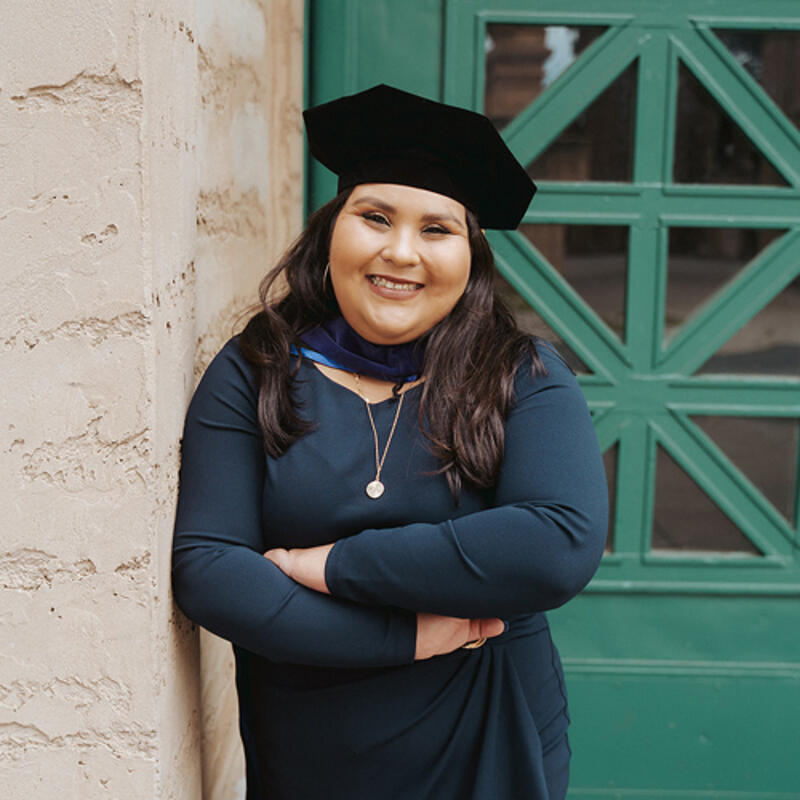
As a first-generation Mexican American woman, I was unfamiliar with the history, struggles and triumphs of Latinos/Latinas. The little that I did know came from my parents’ limited education. The variety of classes offered by the Latina/Latino Studies Department are exceptional. My educational journey would have been a lot more difficult if I did not have the support of my professors and counselors at SF State. The faculty supported me the best they could and referred me to others when needed. The department’s objective is to guide their students to success, and each student’s success is different.