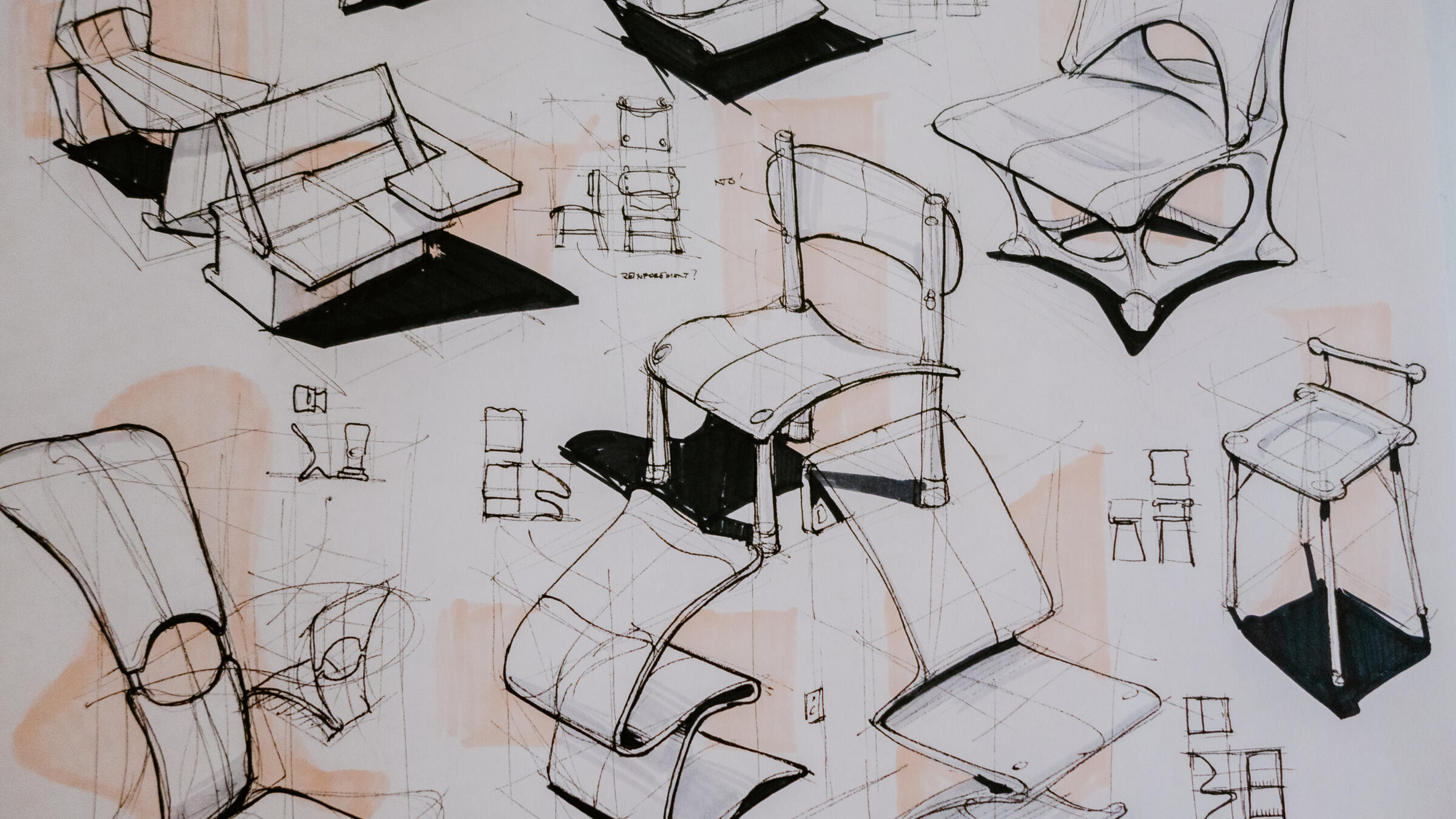
Industrial Design: Concentration in Product Design and Development
Bachelor of Science, Accelerated Master's
About this program
The Bachelor of Science in Industrial Design prepares you to create products and services that meet human needs. You’ll study design as a process that connects people, technology, and markets. Courses focus on user-centered methods, visual communication, and sustainable practices. You’ll gain experience with digital and physical tools while learning to test ideas and work collaboratively. This program builds the skills needed for careers in design and product development.
Program Curriculum and Requirements
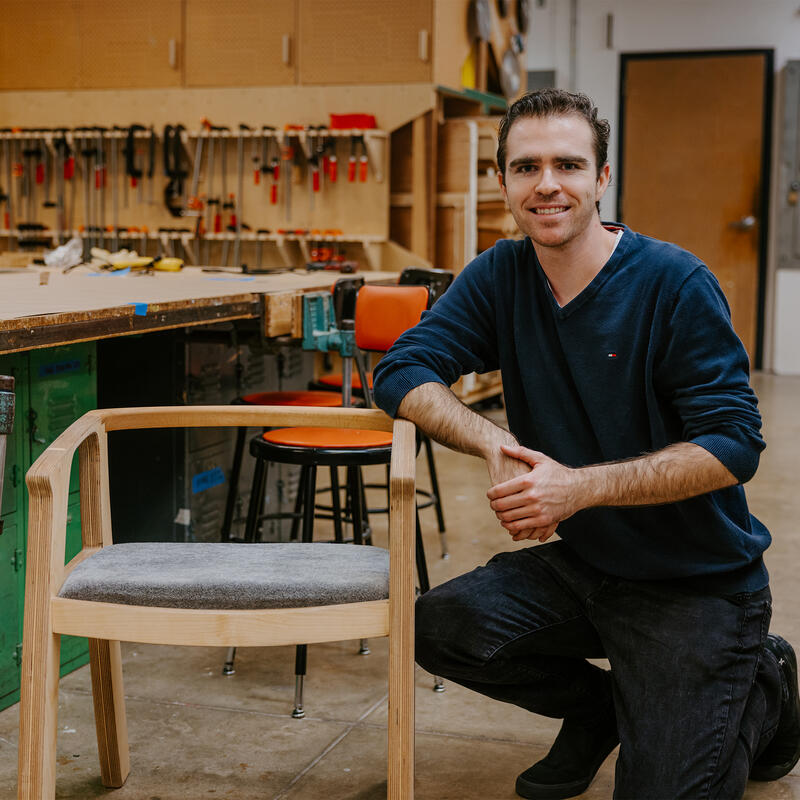
From Our Students
The professors here at SFSU have extensive backgrounds and experiences that they carry into the classroom to provide us State students with opportunities to learn the same level of knowledge that they learned.
Program Scope
The 59-unit Bachelor of Science in Industrial Design addresses the creation of industrial goods and services and concentrates on three principle aspects of design — process, people, and product — and incorporates the study of user-centered needs, relative to the responsible and resourceful implementation of technology innovation, materials, marketing principles, and aesthetic values.
Program Learning Outcomes
- Students are able to apply a structured design process to varied problems of different scope and complexity.
- Students understand how design is shaped by and contributes to its contexts: social, cultural, technological, economic, and environmental.
- Students have an understanding of design vocabulary, visual literacy, design history, design professions, and adjacent topics.
- Students are able to apply critical thinking, research, and writing to the design problem at different stages of the process.
- Students have skills with contemporary tools, technologies, and materials relevant to the design professions, including 2D and 3D concept development and execution in physical and digital realms.
- Students can apply a variety of design methods, including user-centered approaches, universal design, usability testing, and collaborative design.
- Students are familiar with the professional practices common to design and can document, present, and manage their work in a professional manner.
- Collaborative learning approaches are encouraged, both within and beyond the classroom. This may include interdisciplinary collaborations with external partners such as community organizations, institutions, and industry partners.

SFSU Accelerated Bachelor's + Master's
A blended program in Design would offer current undergraduates the opportunity to extend their education to master the necessary skills in the field, which includes studying the theory and methods underpinning contemporary design and design thinking and applying these in the culminating experience project. These skills offers additional career prospects, intellectual growth and the opportunity to deepen skills and research competencies; and significant practical and financial benefits.