Cinema
Bachelor of Arts, Minor
About this program
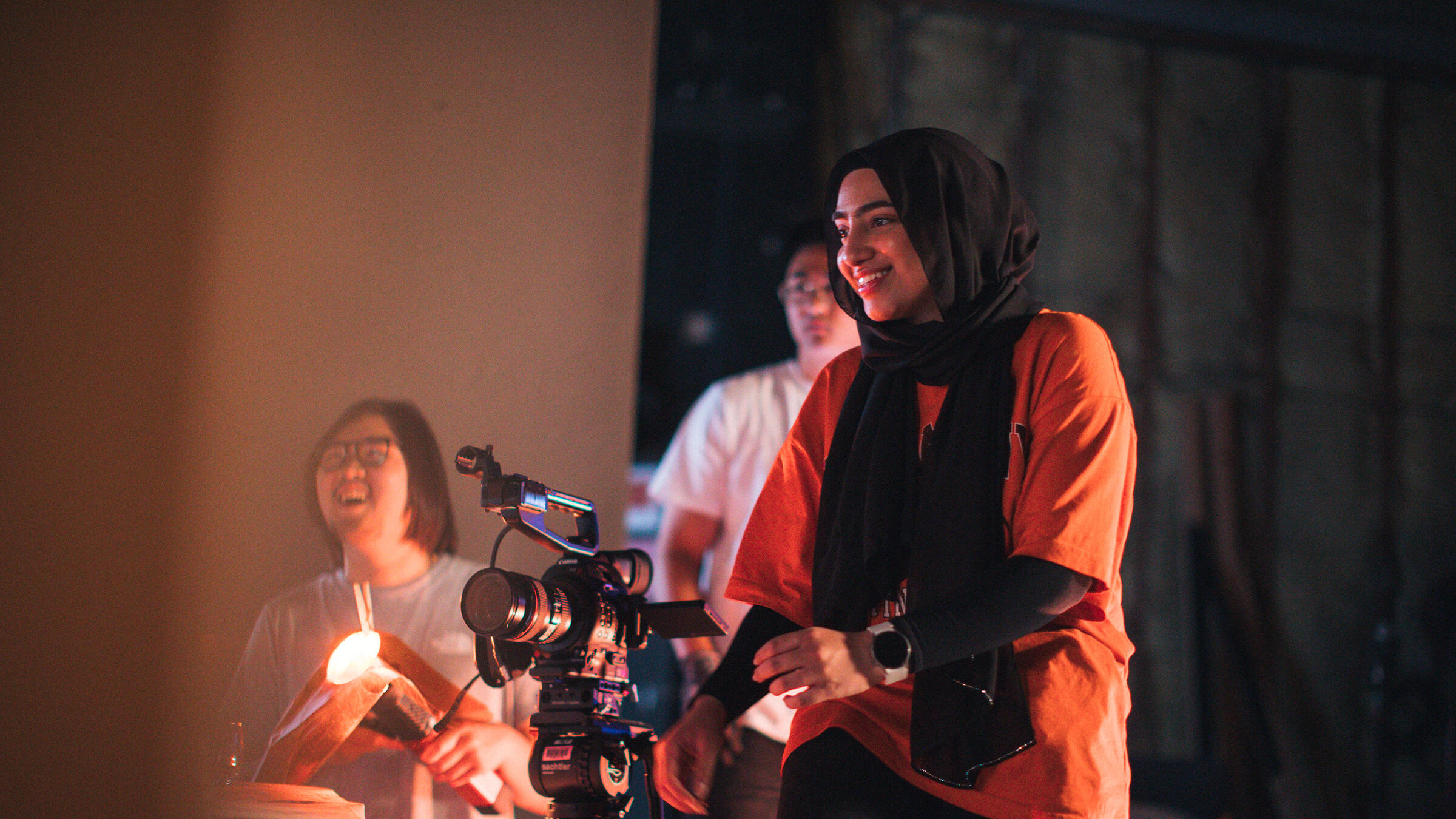
The Bachelor of Arts in Cinema invites you into the world of film through both cinema studies and hands‑on production work. You start with core courses, where you learn film history, filmmaking basics, and cinematic analysis. As you move into upper‑division levels, you grow your skills in writing, production, animation, and screenwriting. The program helps you tell meaningful stories while learning how film reflects and shapes broader cultures.
Program Curriculum and Requirements
Program Scope
Documentary, fiction and experimental pathways provide students with the opportunity to develop the various crafts of filmmaking — including cinematography, directing, editing, producing, production design and sound. Students apply these skills to the completion of well-executed short film projects spanning the genres of documentary, experimental and fiction.
Documentary Filmmaking
Students interested in nonfiction filmmaking gain the necessary skills to craft compelling, socially engaging documentaries. Students who chose to focus their elective units in this area often graduate having produced three or more short documentary films.
Experimental Filmmaking
Experimental filmmaking courses offer students the opportunity to reflect on the intimate relationship between experimental cinema, the historical avant-gardes, and contemporary art. Students who chose to focus their elective units in this area develop a practice of experimentation in cinema by creating and screening original work.
Fiction Filmmaking
Students pursuing fiction filmmaking gain the necessary skills to craft compelling films that challenge and entertain audiences. Students who chose to focus their elective units in this area often graduate having produced two or three short films and/or develop their craft in the areas of cinematography, production design, sound work or editing.
Screenwriting
Students pursuing screenwriting gain the necessary skills to craft compelling cinematic stories. Students who chose to focus their elective units in this area often graduate having produced X.
Program Learning Outcomes
- Acquire basic skills in the formal and critical analysis of cinema (including representations of race, class, gender and sexuality), focused by the analysis of representative works from a range of periods and cultures.
- Gain understanding of the relation of cinema to other arts, to the development of new technologies, and to the industrial-social basis of domestic and international cultural production.
- Produce competent and sustained written essays evidencing knowledge of major topics, theories, and methods.
- Acquire pre-production, production and post-production skills necessary for cinematic expression.
- Develop basic skills in the organization and creation of meaningful form and content in cinema.
Minor in Cinema
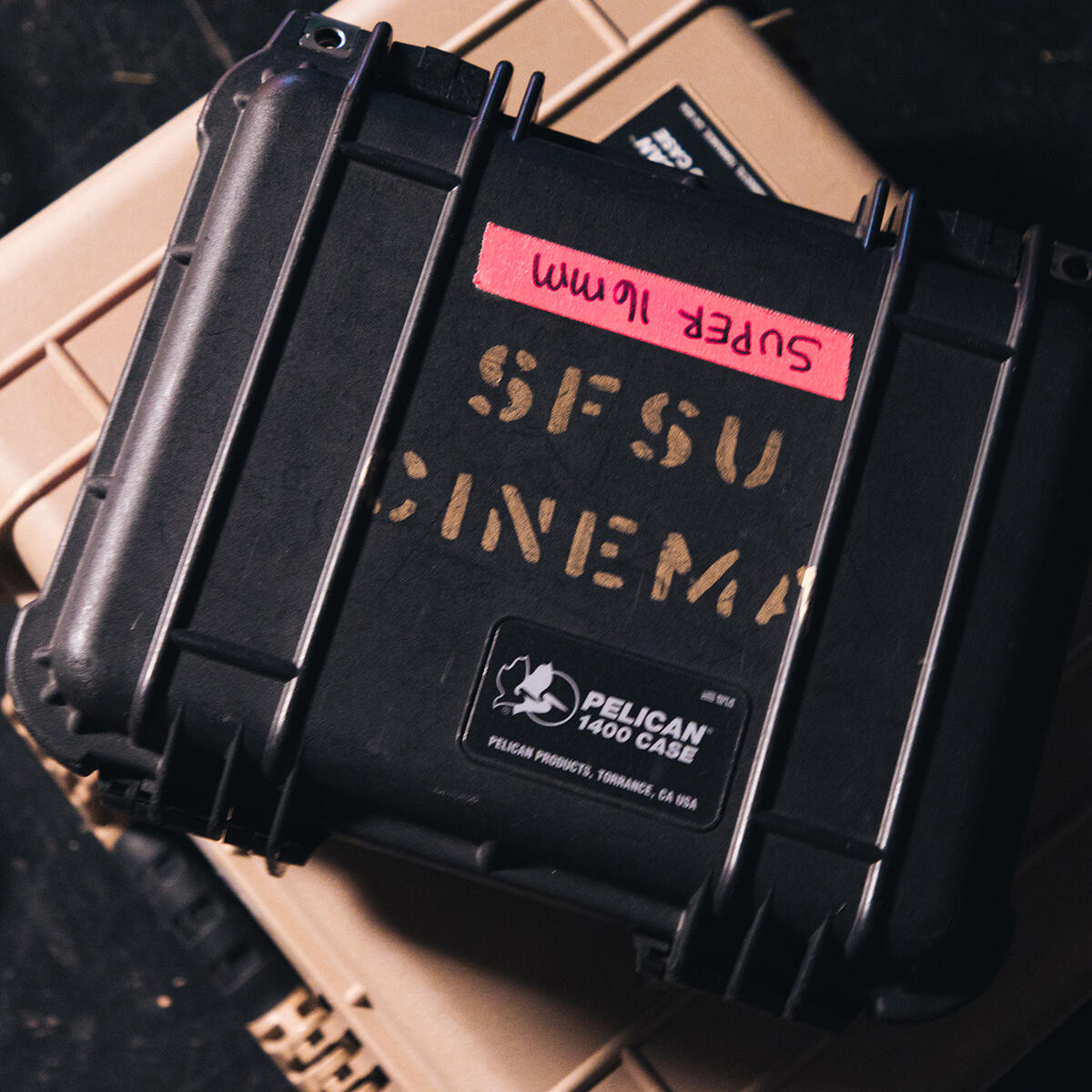
The Minor in Cinema gives you a focused and structured way to explore film studies. You will learn how to analyze cinema’s cultural, historical, and social dimensions. You will build skills in critical thinking and film writing through required history and analysis courses. You will also choose upper-division electives to deepen your understanding of cinema across periods and cultures.
Learn more about the Minor in Cinema