Biology: Concentration in Integrative Biology, M.S.
Master of Science
About this program
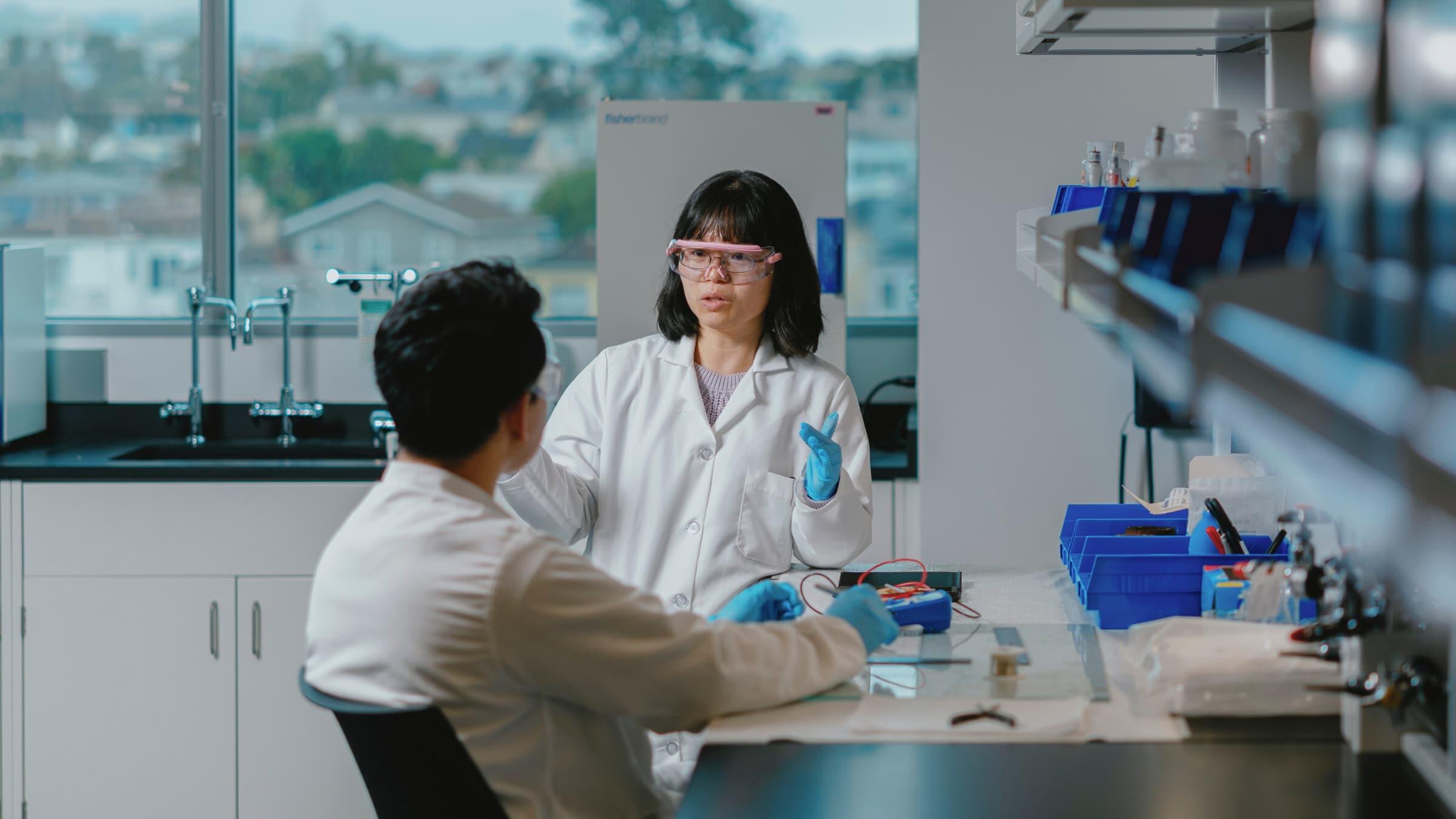
The Master of Science in Biology: Concentration in Integrative Biology immerses you in research that connects ecology, evolution, and conservation. Through hands-on projects in modern labs, you work closely with faculty to design experiments. Findings can be presented at scientific meetings and even published. Along the way, writing, speaking, and ethical research skills are sharpened. This program prepares you for doctoral study or careers in research-driven roles in environmental and life sciences.
Program Curriculum and Requirements
Program Scope
The Masters in Biology with a Concentration in Integrative Biology is designed for students aiming to go on to Ph.D. programs or enter the workplace in fields such as systematics, evolutionary biology, conservation biology, population genetics, genomics, taxonomy, biodiversity, and biogeography and/or community, population, reproductive, physiological, and evolutionary ecology. This program is a research-intensive program – students conduct hands-on mentored research training using state-of-the-art facilities with the goal of publishing in scientific journals. It is common for students to travel to scientific meetings and present the results of their research in talks or posters. Students work closely on their research projects with their primary advisor in consultation with their chosen thesis/project committee, which consists of two other faculty members.
Program Learning Outcomes
- Critically read and evaluate the significance and validity of peer‐reviewed publications to develop a comprehensive knowledge of research in their field of expertise and to be able to clearly articulate such knowledge.
- Conduct original research in a biological sub‐discipline, including the design of experiments, development and testing of hypotheses, application of quantitative analyses to visualize and interpret data and derive conclusions.
- Develop effective writing skills for both informal and formal professional communications that include a written thesis, scientific proposal, or scientific manuscript.
- Develop skills to orally present scientific material to a broad range of audiences, including in courses and an oral thesis defense.
- Practice the responsible and ethical conduct of research and professional integrity in carrying out scientific investigation.
Admissions Information
In addition to the general requirements for admission, applicants must submit:
Mentors
To identify potential SFSU faculty mentors, browse the Biology faculty profiles to see what research interests you. Email faculty members whose research fits with your interests and arrange an individual appointment to discuss opportunities in their laboratories. We encourage you to be proactive. You will need to list the names of the faculty member on your application.
Please note that we only admit applicants who have been invited to join the lab of a graduate faculty member.
Find faculty:
- Faculty by research discipline
- California Academy of Science research professors
- Estuary and Ocean Science Center resident faculty
Personal statement:
Prepare a two-page statement of purpose that discusses your interests and goals relating to you pursuing an M.S. in Biology. The essay should be double spaced and 12-point font. You can upload this file as a .doc, .docx, .pdf or .rtf format.
In this essay, please address the following:
- Let us know a little about who you are. This can include where you are from, your upbringing, your educational experiences or relevant stories that help us get to know you.
- Tell us about how your motivation to pursue graduate studies in Biology developed.
- Describe previous research or laboratory experience.
- Describe how participation in our program will benefit your educational or career goals.
- Identify which faculty members whose research matches your interests.
All-science transcripts
You will need to list of all the science courses you have taken on our All-Science Transcript Form.
Letters of recommendation
You need a minimum of two letters of recommendation. Letters can be submitted through the evaluation tab in your application. Alternatively, they may be emailed to biograd@sfsu.edu. Subject line should be “Letter of Recommendation for applicant [Your Name].”
English language requirements
The Department of Biology does not require the GRE General or Subject Test. If you would like to submit your scores, you may do so; however, GRE scores are not used as criteria for admission.
International students should review international graduate student applicant guidelines.
The Division of Graduate Studies minimum TOEFL, IELTS and PTE Academic scores are:
- TOEFL
550 Total score on the paper-based test
80 Overall score on the internet-based test (iBT TOEFL) - IELTS
Overall band score of 7.0 - PTE Academic
Pearson Test of English (PTE) Academic overall score of 65
For applicants who do not hold an undergraduate science degree:
There aren’t an established set of prerequisite courses students must have to apply to our M.A. program. However, we recommend students take the following courses: introduction to biology, inorganic and organic chemistry, cell biology, genetics and either calculus or statistics. It's more important that students have a solid foundation in those subjects.
Fall: February 1
No spring Admissions
Ready to apply? Visit the Graduate Students page to get started.
We’re Here to Help
Questions about the program or how to apply? Don’t hesitate to reach out.
Robert Boria
- Assistant Professor