Biochemistry
Bachelor of Science, Accelerated Master's
About this program
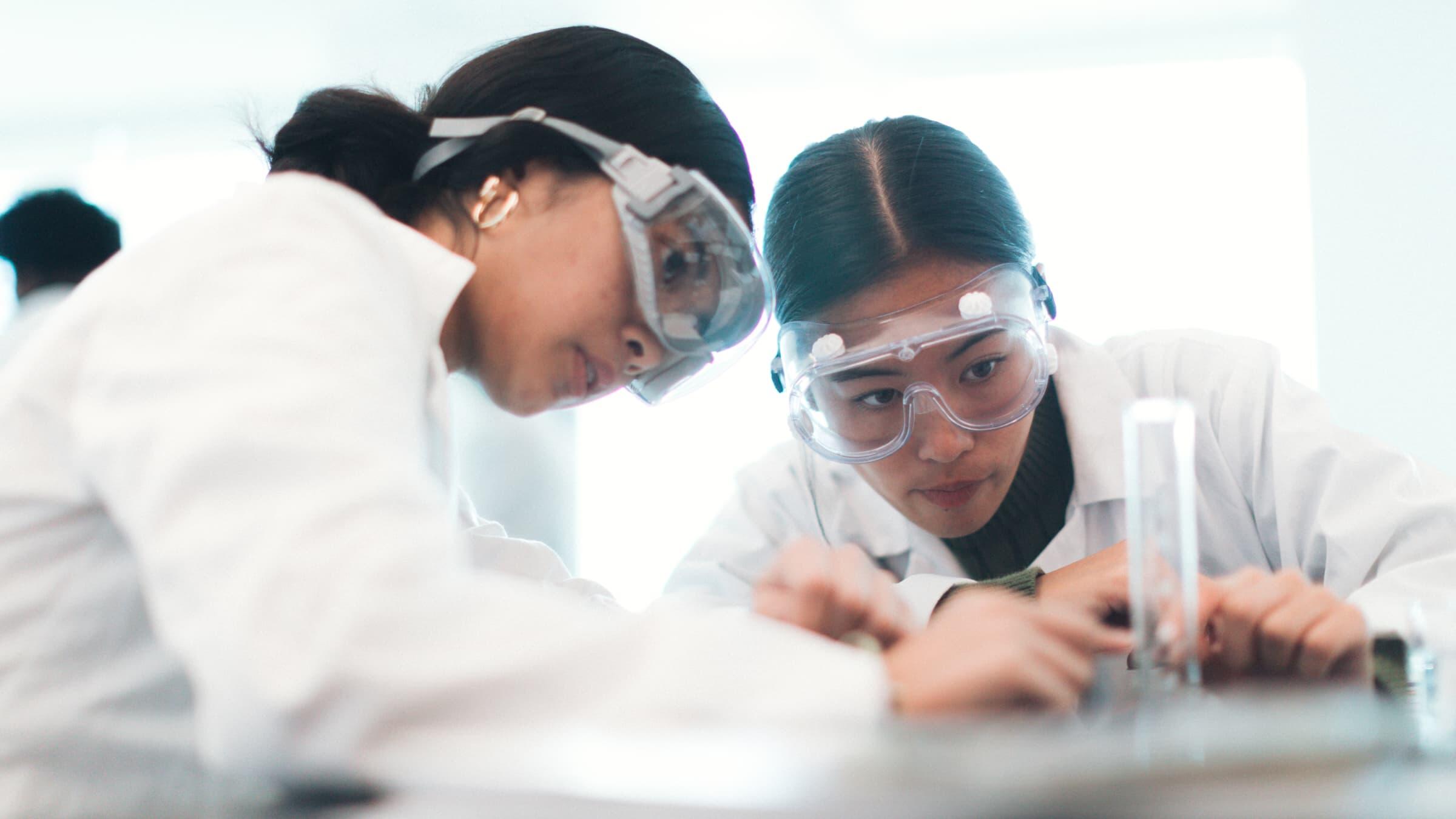
The Bachelor of Science in Biochemistry helps you use chemistry to explore life’s building blocks. You’ll learn to design and conduct lab experiments and build skills to reach scientific literature and communicate scientific findings. You build skills to read scientific literature, communicate findings clearly, and collaborate in teams. You also connect chemistry with biology, materials, and environmental science. This degree prepares you for lab work, research, health careers, or further study in science.
Program Curriculum and Requirements
Biochemistry SFSU Accelerated Bachelor's + Master's Program
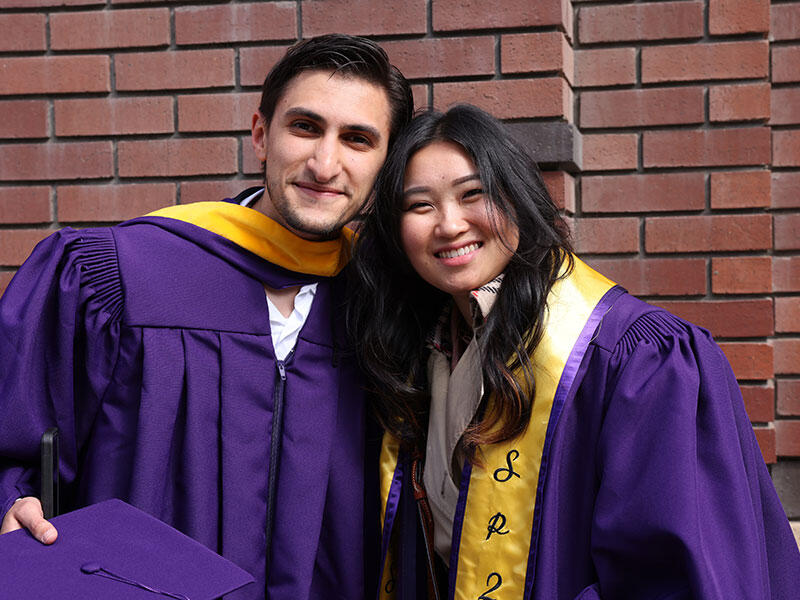
The SFSU Accelerated Bachelor's + Master's Program in Biochemistry provides talented students the opportunity to seamlessly transition from undergraduate to graduate study within a blended B.S. and M.S. program. Highly motivated B.S. Biochemistry majors may complete the B.S. and M.S. programs in as few as five years. Graduate study requires intensive research training by undertaking an independent research project, which adds depth of knowledge and valuable skills in their area of expertise. Students who successfully complete the program have an advantage for employment and acceptance into competitive Ph.D. programs.
Program Learning Outcomes
- Demonstrate an understanding of the four biochemistry core concepts and an ability to solve related problems.
- Perform basic chemistry laboratory procedures, including the use of modern instrumentation, for the synthesis, separation, isolation, analysis and characterization of molecules.
- Effectively communicate the results of scientific experiments in oral reports, technical graphics and written reports.
- Demonstrate the retention and synthesis of prior learning in advanced classes.
- Search the chemical literature for published work relevant to a project of interest, read and understand technical literature related to the discipline.
- Draw on classroom knowledge to contribute to solutions of problems encountered in a laboratory.
- Articulate an understanding of the relationship between chemistry and related disciplines such as biological science, materials science and environmental science.
- Contribute to solving problems encountered in chemistry as part of a team.
- Understand the key experiments that led to the development of chemical theories and models.